

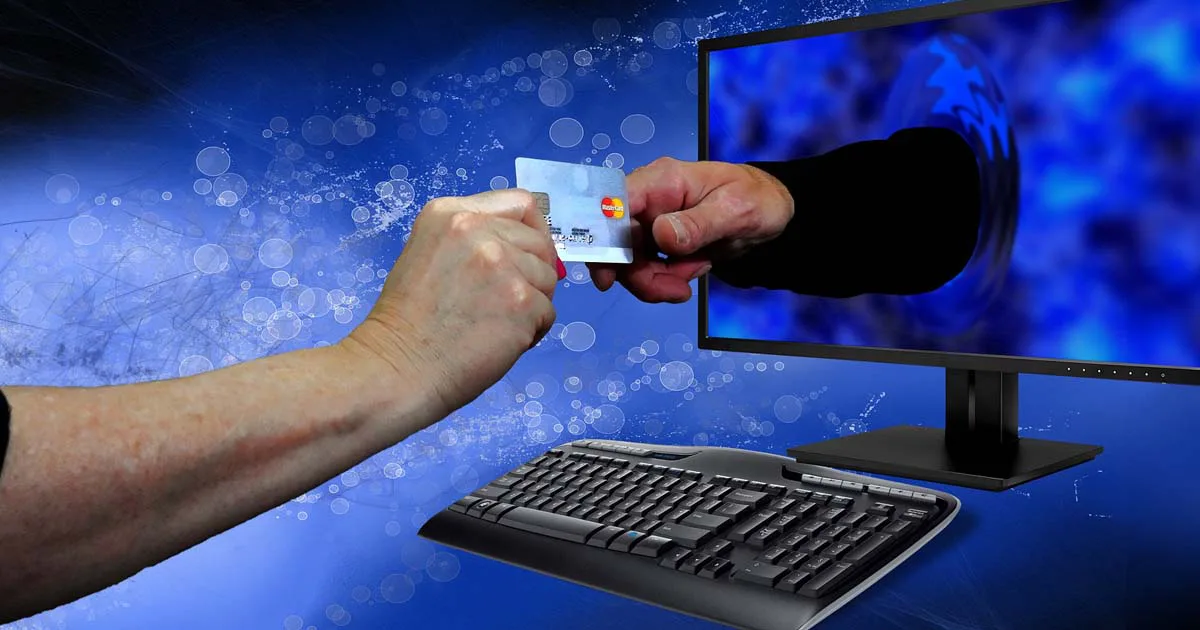
Safe Transactions Online
16 December 2019
The rapid growth of e-commerce in Greece is a fact. More and more people choose the internet for purchases, bill payments and money transfers. But how safe is each type of transaction?
Credit / debit card. The most common way to pay online. Banks now run sophisticated systems for detecting suspicious activity, and many stores also offer installment plans.
Bank account deposit. A secure method that doesn’t require a card — but only use it when you’re 100% certain of the recipient business’s physical existence and reliability (e.g. a well-known organization), not for an unknown shop with a “too good to be true” deal.
Payment services (PayPal, Viva, etc.). These add an extra layer of security, since your card details are never shared directly with the merchant.
Basic safety rules that apply everywhere
- Make sure the payment page uses HTTPS (the padlock icon in the address bar).
- Check that the business has real contact details, tax ID and address.
- Avoid transactions over public or unknown Wi-Fi.
- Turn on SMS/email alerts for every transaction on your card.
- If something looks “too good to be true,” it probably is.
The security technology behind banks and major payment providers is very mature today; the biggest remaining weak point is almost always user carelessness.